Content matters.

作者: GuanChengyu

  • 北京你好,北京再见。

    明之不可而不为,那不是汪精卫么?

    6号收拾好一切需要的东西,早6点搭地铁去虹桥火车站前往北京。动车在京沪铁路上飞驰,车途仅4小时多,下午13点,我来到了离上海1300多公里外的北京。

    3号我看到北大地空的预推免报名开放的信息,4号订了车票坐到上海,5号一天时间准备好了一切需要的材料:推荐信、成绩单、个人陈述、申请表……在这周最后一个工作日戳好最后一个公章,长舒一口气,没想到真的在周六前赶上一切材料的准备。特别感谢学院的几位老师,没有老师的支持材料的准备不可能这么顺利。几位老师问我联系导师了吗?我说还没有。一位老师笑着说真有勇气,祝我成功。

    一切都要从地空取消夏令营开始,始料未及的取消让我仅有的一线希望岌岌可危,而且更不巧的是,知道这个信息已经是5月底。我和同学通话时无意提到了这个话题,ta没有感觉到有什么大不了的,我也没有感觉到有什么大不了的,因为有录取的概率也很小很小。又时值同济测绘学院夏令营报名,报名的事情我也不再想,还是固执的按去年的要求准备了预推免的材料。我觉得和这次去北京一样,算是给自己一个交代。我想,我可以接受预推免审核不通过被刷掉,复试成绩不合格被刷掉,没有老师要被刷掉,但是唯独不能接受,连报名都不敢报名。以后回忆起来,憧憬了很久很久的机会,最后连尝试都没尝试。

    下车乘4号线坐到中关村,地铁上一位大爷向我问路。他看上去年过70,满头白发,个子很高,腰杆挺拔。眼袋浮肿,粗粗细细的皱纹纵横。背着一个巨大无比的旅行包,两只手很大,应该是庄稼人。他颤颤巍巍从钱包掏出一个纸条,上面记了一个律师事务所的地址,字迹很秀气,应该是一位女士写给他的,而且写的很详细,从哪个地铁站下,从哪个地铁口出,出了之后往哪儿走,都记得清清楚楚。他问我还有几站,我看我预定的房间也在中关村,他给的地址离出口也不远,就说我们可以一起出地铁,我把他送到目的地再走。他担心我不赶趟,我说顺路,顺路。他道谢,又颤颤巍巍地收起那个记着地址的纸条。到站下车把他送到楼下后,我推着行李箱和他道别。他摸索着从口袋里掏出来一个纸条,写了自己在湖北老家的地址和电话作谢礼,字迹和他的大手一样沧桑。

    骄阳似火,气温是我内心心情的映射。又见高高的王克桢楼,我总感一阵阵恍惚,距离五一来北京,居然已经过去一季了!?总感觉上次吃卤煮,仿佛就在昨天。

    中午随便找了家店吃午饭,邻桌几位在聊评职称如何如何、中国第三的大学究竟是哪所如何如何、自己孩子不争气如何如如何……最后得出统一的结论,去他丫的资本家,钱都被这帮孙子赚走了。

    距离下午入校还有两小时的间隙,我吃完饭转弯走进了中关村创业大街,想找书店坐坐。两侧付费自习室很多,冰美式卖的极贵,遂离开。偶至中国书店,有一列书架陈列带着80年代气息的促销旧书、儿童读物,两侧的书多数受了重伤,和书店的门头一样复有年代感。我翻到一本90年带的《机器猫》漫画,封面注了“许之行”三个字,字体稚嫩,应该是这本书的小主人。想必如今他的孩子,也到了读《机器猫》的年龄了吧。


    我一路向北,从东门路过,从东侧门刷身份证进了北京大学。向西骑途径遥感所,颓圮的大门似乎象征着什么。继续向北到家属区我又从西边绕未过名湖折返向南,途径光华管院、数院,正值一座楼里有结业班书法展,我走进去一探究竟。没揣摩个所以然的时候接到绿叶儿的通知,约了去农园吃饭,还要带家属介绍我认识。我心想这感情好,本来都准备好去吃13.9的麦当劳套餐了,还能在食堂蹭一顿,不赖。我去了四十五甲买了几个本子作伴手礼。老板说有学生卡有优惠,我说我没有,老板问你是学生吗?我说是的,他还是给我打了折。

    吃完饭绿叶儿说要去学习,晚上一起去草图喝咖啡。我没有拒绝,暂别后我去五四体育场跑了一公里,去足球场踢了两脚球,跟家人报了平安,慢慢悠悠地朝东门晃。到了草图,小毛竹问我喝什么,我说有鸡尾酒吗?他说可以有。我选了莫吉托,小毛竹指挥我们去摘薄荷,自己去找其他材料。门外一负了伤的同学躺在沙发上悠闲地刷手机,见我们出来,和绿叶儿打招呼。门里零散坐着几个同学在学习。绿叶儿在草图外面的大庭里跟我介绍这里,草图可以说话,可以讨论,很自由。

    晚上聊的很尽兴,聊的什么我记不住了,反正有矛盾说开了,有问题解决了,这杯莫吉托是绿叶儿请客,我心里想这不行,正好来之前就和王姐打了招呼,周末下了工可以来,我们约了明晚去尝勺园吃越式牛肉粒。一方面原因是她们喜欢吃,一方面原因是我想吃,决定时后者占比更大,我认为。


    来北京不参观国博等于白来。国博是我去过最好的博物馆。

  • Control Yourself through Ignoring Yourself

    Have you ever noticed how easy it is to look back at the end of the day and realize most of what you did wasn’t actually what you were meant to do?

    You might start your morning with good intentions, planning to tackle a project, cut back on snacking, or maybe finally get around to that workout… but somehow, hours disappear into random distractions.

    This is something I see all the time. There’s this gap between what we want to do and what we actually end up doing.

    And a lot of people beat themselves up over it, they think they’re lazy, they think there’s something wrong with them, or they think, “If I just had more willpower, I could fix this.”

    The solution isn’t about trying harder, or being more disciplined, or even getting more motivated.

    The real skill is learning how to ignore yourself.

    The real skill is seeing that not every thought or urge you have actually deserves a response.

    If you can learn to step back and not obey every little craving or impulse, everything gets easier.

    This is what people who overcome addiction end up learning, but it’s just as true for anyone trying to break a bad habit, get in shape, or simply be more consistent in life.

    The reality is, most of us are experts at listening to ourselves but we’re just listening to the wrong parts.
    Every time a craving or an urge pops up, we treat it like an order.

    But what if you could just watch that urge, let it pass, and not act on it?

    That’s the foundation of real self-control. It’s not about willpower; it’s about non-reaction.

    And once you see that, you can start to build the kind of discipline that actually lasts.

    So, let’s dig into what actually happens when you try to ignore those urges.

    Because a lot of people hear this and think, “Okay, if I just sit there and do nothing, isn’t that just… suffering in silence? Isn’t that going to make me miserable or just crank up my anxiety until I give in anyway?”

    But there’s what’s interesting. If you actually watch what happens to your cravings or uncomfortable emotions when you don’t act on them, you’ll notice something really surprising: they go away.
    Not instantly, not always painlessly, but they don’t actually last forever.

    We have unconsciously taught ourselves that the moment we feel anything uncomfortable, we need to do something about it.

    We have learned that TikTok treats boredom, pornography treats sadness and snacking treats anxiety.

    But what nobody tells you is that these feelings are kind of like the weather, they show up, they can be intense, but if you just let them be, they pass and eventually disappear.

    All feelings have a beginning, a middle, and an end.
    The problem is, most of us never give them a chance to reach that end, because the second the discomfort shows up, we’re already reaching for an external solution.

    Imagine you’re sitting at home and you get the urge to eat junk food, even though you’re not hungry.

    If you just sit with it, pay attention, and don’t immediately order take-away, you’ll notice that the urge gets stronger for a bit, and then, almost out of nowhere, it starts to fade.

    This is literally how your brain works; it’s called returning to baseline.
    Emotions and impulses are temporary by design.

    But if you act on every urge, you’re basically training your mind to keep throwing them at you. Your brain learns, “Every time I feel a craving, I get what I want.”
    And that’s why it feels so relentless.

    The truth is, if you can practice just letting these feeling rise and fall, you start to take the power away from them. You build real freedom, not by fighting your emotions, but by letting them move through you.

    Now, at this point, some of you might be thinking, “Alright, so if I can just let urges pass, does that mean all I have to do is sitting on my hands and wait for everything to get better?”

    Not exactly. See, this is where most people hit a wall with self-control, they think it’s all about either acting or not acting. But self-control is actually made up of two totally different skills.

    The first is what we just talked about: being able to not react. That’s the ability to notice an impulse and just let it be, instead of jumping to do something about it.

    But there’s a second part that people almost always forget, and this is where lasting change actually comes from.

    It’s the ability to make a conscious choice about what you do next, to act with intention, instead of just doing nothing or failing into whatever’s easiest.

    Say you’re trying to eat healthier. You get that familiar urge for fast food, but this time, instead of ordering food, you pause.

    You feel the craving, you watch it rise and fall, and eventually, you realize it’s not as overwhelming as it seemed.

    Say you’re trying to stop watching porn. You get that familiar urge but this time, instead of opening your internet browser, you pause.

    You feel the craving, you watch it rise and fall, and eventually, you realize it’s not as overwhelming as it seemed.

    But now you’re left with this gap, what do you actually do instead? This is where most people stumble.

    They think resisting the urge is the whole battle, and then they end up right back where they started because they never actually decided on a different action.

    So here’s the key insight: real self-control isn’t just about stopping yourself from doing the wrong thing. It’s also about giving yourself a chance to choose something better.

    It might sound basic, but when you separate these two steps,

    • first, ignoring the impulse
    • second, consciously choosing what to do next, you make it way easier for your brain to build a new habit.

    The more you practice these steps separately, the more progress you make. If you just try to will yourself into good behavior, you burn out.

    But if you practice resisting, and then practice making one clear, intentional choice, even something small, you create a pathway for real change.

    You will start to see that every moment of self-control is actually a moment of freedom: first from your impulses, and then in what you choose to do with that freedom.

    And that, honestly, is where most transformation actually happens, in learning to pause, and then choosing on purpose what comes next.

    So now that you’ve got those two pieces, there’s one more layer I’d like to add, and it’s actually looking at the price you pay when you follow every urge that pops into your head.

    See, most of us go through life in a kind of autopilot mode. Something comes up, a craving, a little itch for distraction, as flash of frustration, and we just respond. We rarely pause to ask, “If I do this, what am I really giving up?”

    And that’s a huge blind spot, because every impulse you act on has a cost, whether it’s obvious or not.

    Let me give you an example. Let’s say you have a habit of getting into arguments on the internet. In the moment, when you argue with someone, it feels like you’re getting some kind of relief or satisfaction, but what do you really end up with?

    Usually, it’s frustration, wasted time, maybe even more stress than you started with.

    If you actually step back and tally up how much energy and peace of mind you’re sacrificing for a little burst of impulse, it’s almost never worth it.

    This applies to so many areas, overeating, doom-scrolling, even just saying “yes” to things you don’t really want to do. Every time you obey that initial urge, you’re trading something away.

    Sometimes it’s your focus, sometimes it’s your mood, sometimes it’s your long-term goals. But because we never pause to look at the full bill, we keep paying it over and over.

    Here’s the thing: when you start to reflect on where your impulses lead, you build a different kind of awareness.

    It’s not just about resisting or choosing, it’s about actually seeing the consequences of your actions, and letting that inform what you do next.

    The more you pay attention to the real cost of following every impulse, the easier it becomes to let them go.

    You realize that most of those urges aren’t just unhelpful, they’re expensive. And when you see the price, it gets a lot easier to walk away.

    That’s the shift. Instead of living on autopilot, you’re starting to act with real awareness.

    You’re not just saying “No” to the impulse; you’re saying “Yes” to your own priorities, your own peace of mind, your own growth. And that’s what gives you momentum to actually change, not just for a day, but for good.

    At this point, you might be wondering, “Okay, I get it, but how do I actually build this skill? How do I practice not reacting when my mind and body feel like they’re screaming at me to do something?

    And this is where a lot of people trip up, because they assume you either have self-control or you don’t.

    But the reality is, it’s a skill like any other, you get better at it by practicing in low-stakes situations, so that you’re ready for the bigger ones when they come up.

    Let’s start with something simple: say you’re sitting at your desk and suddenly get the urge to check your phone. Instead of immediately reaching for it, just pause.

    Don’t force yourself to focus on work or do anything in particular, just notice the urge.
    Pay attention to how it feels. Maybe it gets stronger, maybe it even feels uncomfortable for a bit.

    But if you wait, even for thirty seconds, you’ll notice it fades. And this right there, that’s your first rep. The more reps you do throughout the day, the easier it gets.

    You can apply this to so many tiny moments throughout your day.

    • It’s about noticing the urge,
    • letting it rise,
    • and then letting it fall without acting on it.

    Each time you do this, you’re literally building new neural pathways.

    As I explained, these little reps add up, and soon you’ll find that what felt impossible before, sitting with discomfort, letting urges pass, becomes a lot more natural.

    The key here is to start small. You don’t have to conquer every bad habit overnight. But the more you practice ignoring those little impulses, the stronger you get at handling the big ones.

    And what’s amazing is, you’ll start to notice you have more bandwidth, more clarity, and way more freedom in your choices because you’ve learned that you don’t have to answer every call your mind throws at you.

    I’d like to emphasize that having self-control especially in the world we live in now is more than essential.

    Think about how modern life is structured. You’re surrounded by apps and foods and ads and devices, all designed to trigger your impulses over and over again.

    Every notification, every little red dot, every flavors are engineered to make you crave more, these things are everywhere.

    You might start your day with good intentions, but you’re fighting a system that profits every time you react without thinking.

    So it’s not just about your personal weakness, or some character flaw. The reality is, the world is engineered to make ignoring your impulses as hard as possible.

    But here’s the good news: the more you practice, the more you start to see the game for what it is. You realize, “Wait, I don’t have to answer every notification. I don’t have to follow every craving.”

    And the power this gives you goes way beyond just breaking a habit. You get back your attention, your time, your sense of choice. Life starts to feel less reactive and more intentional.

    What happens to anyone who trains themselves to pause before reacting, is that everything starts to change. They fell calmer, less scattered. They stop losing hours to mindless scrolling or eating or arguing.

    Their relationships improve, because they’re not so quick to snap or withdraw or escape into distraction. Even things like anxiety and stress start to lose their grip, because now you know you can sit with discomfort and let it pass.

    And this is really what I want you to take away: the point isn’t to become some kind of emotionless robot, or to deny yourself all pleasure. The point is to put yourself back in the driver’s seat of your own life.

    When you master the art of ignoring yourself, of letting thoughts and urges pass without having to chase them, you unlock a level of agency that most people never experience.

    So next time you feel pulled by an impulse, remember: you don’t have to answer it.

    Practice that pause, let it float by, and notice how much lighter everything starts to feel. That’s the beginning of real freedom, and it’s a skill you can build, starting right now.


  • 振荣来信

    盛国:
    感谢你的来信。
    或许有些搞笑和滑稽,但是我还是在用手机在微信上给你打字作为回信。信件是一个浪漫的概念,远比及时通信技术来得曼妙。我现在才能理解为什么有人默哀它们的衰颓。其实我们在学校住得很近很近,但是我们无法每天见面,又或者其实每天见面也不一定会促进友情。书信实在是一个良好的时间的载具,仅仅几天(其实只花了两天)的间隔反而显得感情和交往非常珍贵。我大约也是那种不懂得珍惜眼前的人,感谢你的来信,提醒我原来和人交往真的就是快乐。我时常在互联网上和莫名其妙的人聊天,惊觉浪费生命。感情究竟是什么呢(不止恋爱关系的一小部分),我们拥有的是什么?对我大约是相处时悄然流动的时间。感谢你莫大的信任与喜爱。我必须承认我是一个胆小的,需要别人爱的人,但我总以为我拥有的很少。例如说这个假期,我做了很少的事情,去了很少的地方,似乎比起朋友圈里世界另一端的景色来说我活得太猥琐困顿。感谢你在假期行将结束之时告知我:其实我有很多。朋友,或者其他什么更多的。

    很开心你能去佛罗伦萨玩,我大约明年会参加学校的游学团队去意大利,大概会去吧。阳光铺设在低矮的墙面,唯独几何形状奇怪的大教堂鹤立鸡群,大约会很美。美和意义感是太轻薄而我们肉眼不可见,不可证明的空气。等你回来请把那本关于阅读的书借我吧,让我也学习一番。

    你的字很好看。信件我会珍藏。信封我会改造一下贴在宿舍的墙上。有形的物品终会消失,它在我书桌的正前方能够存在或许两年。无形的事物会存在很久很久。

    回来之后请带我去那家清吧,谢谢你。如果可以的话或许你可以不用马上回复我,某天回学校的晚上来宿舍找我就好。如果我不在的话可以留一个纸条。我想要保留一下这封信跨越时间和空间的美好。甚至有的文豪的信件还会专门集结出版呢。

    请好好享受剩余的假期吧。夏秋交替注意身体。

    恭颂时琪
    王振荣

    2025年8月29日

  • Why Smart Kids End Up Lonely, and Struggle as Adults.

    Why is it that so many smart kids grow up feeling stuck, disconnected, and completely alone?

    • They were supposed to be ahead of everyone else.
    • They were praised, rewarded, told they’d go far.

    And yet somewhere along the way, that promise turned into pressure.

    That praise became a prison. And now, a lot of those same kids, the ones who once stood out, are struggling as adults.

    They can’t find motivation, they feel socially behind.
    They struggle to start things, follow through, or connect with people.
    And worst of all, they can’t explain why.

    Because on the outside everything looks fine. They’re still sharp. Still capable.

    But inside, there’s this constant sense of isolation-like life is happening to other people, and they’re just watching it go by.

    When we are young, out identity tends to be simple.
    Kids latch onto one or two traits and build their sense of self around them.
    (e.g. Pokemon, chicken nuggets)

    That’s normal, that’s how identity starts-It’s straightforward, and it’s based on interests or labels.
    One of the most powerful labels a child can receive is: “You are smart.”

    That phrase sticks. It gets reinforced by teachers, parents, classmates. It becomes a core part of how you see yourself. And for a while, it feels amazing.

    Being smart as a kid gives you praise, attention, and you basically live life on easy mode.

    • You don’t need to study as hard as everyone else.
    • You pick things up quickly and you stand out compared to the other kids.

    But here’s the hidden cost: when you get praised for being smart, what people are usually praising is not hard work, it’s effortless success.
    You were praised when you solved the problem quickly. When you got an A without trying. When you understood something for the first time.

    And over time, you start to internalize a very dangerous idea: If I’m smart, things should be easy for me.

    And that belief will quietly sabotage everything once you grow older.
    Because the moment something isn’t easy, when you struggle, when you fail, when you don’t understand something right away, it doesn’t feel like a normal challenge.

    It feels like a threat to your identity because you tell yourself if I’m supposed to be smart, then why am I struggling?

    So instead of leaning into difficulty, you start avoiding it.

    • You don’t raise your hand unless you’re sure.
    • You don’t play games unless you know you’ll win.
    • You don’t pursue things you could love because they might expose you as someone who maybe isn’t so smart.

    And slowly, your life starts to narrow.

    • You only do what you’re already good at.
    • You stick to familiar territory.
    • You protect your image and your identity of the perfect smart kid instead of trying new things.

    And that’s the trap.
    Because while everyone else is out there experimenting, trying, failing, developing.

    You’re locked inside a shrinking comfort zone.

    And the longer that goes on, the harder it becomes to leave.

    And at some point, you realize you’ve built a whole identity on something that now feels fragile.

    • You can’t afford to fail.
    • You can’t afford to look stupid.
    • You can’t afford to threaten what you built your whole identity on.

    So you stall.
    And that’s when the isolation starts to set in. Because when you stop growing, you also stop connecting.

    Connection comes from shared activities. Being on a team, going through awkward stages together, or working hard toward something.

    And if you start opting out of those things, if you remove yourself from the situations where other people bond, you miss the moments that create real friendships and connection.

    • You don’t join the club because you’re afraid you’ll be bad at it.
    • You don’t try the sport because it’s unfamiliar.
    • You avoid group projects because they frustrate you.
    • You start stepping out of the flow of social life without realizing it.

    But you still crave connection right?
    So what do you do?

    You lean on what you know: your intelligence.

    • You try to understand people instead of relating to them.
    • You analyse.
    • You observe.
    • You run simulations in your head.

    And this leads to something called cognitive empathy
    where you can understand what others feel logically, but you don’t emotionally engage with them.

    And it works, up to a point. You can navigate conversations. You can keep up socially.

    You might even seem charismatic on the surface, but underneath, you’re exhausted.
    Because instead of just being with people, you
    re calculating. You’re constantly thinking about what to say, how to respond, what they might be thinking.

    So now socializing also becomes something you have to be good at. And to avoid failing at it, you start avoiding it.

    This is where the loneliness deepens.
    But you’re smart, right?
    You should be able to figure this out.

    So you start applying logic to emotional problems.
    You try to fix your self-esteem with rationality.

    • You write out arguments to convince yourself you’re fine.
    • You analyze your own behavior to death.

    And none of it helps.

    Because intelligence wasn’t designed to fix emotional pain. It’s not a tool for self-worth.
    It’s a tool for solving external problems.

    And when you try to use it to feel okay inside, it just keeps looping, because there’s no intellectual answer to the question, “Am I enough?”

    That question can only be answered emotionally. And for smart kids, emotional growth is often the one thing that got left behind.

    And when the emotional pain becomes too sharp, when the loneliness starts to feel unbearable, that’s when the ego steps in and forms one final defense:

    You tell yourself”

    • “I’m just different from other people.”
    • “I don’t relate because they’re not as smart.”
    • “I’m too deep for surface-level friendships.”

    And now, instead of admitting that you’re lonely, you convince yourself that you’re above everyone else.

    Not because you actually believe it. But because it hurts less than admitting you feel left out.

    This is what we call defensive arrogance, and it’s one of the most isolating patterns you can fall into.

    It creates a wall between you and everyone else.

    And even when you want connection, the wall doesn’t let you reach for it, because connection:

    • requires humility.
    • requires presence.
    • requires being seen and vulnerable.

    So how do we fix this?

    The first step (non-negotiable) is that you have to stop identifying as the smart kid.

    You have to let that identity go.

    Not because being intelligent is bad, but because basing your self-worth on it is toxic.

    When your value is tied to how easily you succeed, you will do everything in your power to avoid effort, avoid failure, and avoid situations that might prove you’re not exceptional.

    You’ll sabotage progress just to protect the illusion.

    And eventually, that illusion will collapse.

    So the fix is to build a new identity, not around being smart, but around being willing to grow.

    You stop asking, “What will make me look intelligent?” and start asking, “What will help me move forward?”

    • You stop protecting your pride and start embracing discomfort.
    • You let yourself try things and be bad at them.
    • You start showing up not to win, but to participate.

    And yeah, it’s awkward. It’s uncomfortable. It feels like a step backward. But it’s not. Because it’s the first real step toward becoming whole.

    The old identity told you that your value came from being special. The new one reminds you that your value comes from being human.

    And being human means you’re allowed to be uncertain.

    • You’re allowed to grow slowly.
    • You’re allowed to feel lost.
    • You’re allowed to not know what the hell you’re doing half the time.

    But the only way forward is to take action anyway. Not perfect action. Not clever action. Just honest, imperfect, human steps forward.

    So if you’re someone who feels stuck, or numb, or chronically disconnected, if you’ve spent your whole life trying to be the smartest person in the room, and now you don’t know how to be anything else, this is where you begin.

    • You let go of the story.
    • You stop trying to be impressive.
    • You start trying to be real.

    Because you don’t need to be the smartest person in the room to belong in it.

    You just need to be someone who’s willing to show up, even when it’s hard, even when it’s messy, even when it’s unfamiliar.

    And if you can do that, if you can stop clinging to the version of yourself that needs to be above it all, you’ll start to feel something you haven’t felt in a long time.

    Connection.
    Not because you earned it.Not because you deserved it. But because you were finally willing to step down from the pedestal and into the world where the rest of the people live.

    And it turns out, that world isn’t so bad.
    In fact, it’s the only place where you can truly be seen.

    And more importantly, it’s the only place where you can finally feel at home.

    Chances are, you’re not the only one who feels this way, and sometimes naming the pattern is the first real step to breaking it.

  • Finding Deeper Satisfaction & Development Rather than Display

    The obstacle is the Way.
    _Ryan Holiday

    Narrative conformity

    • JUDGING my life progress by a cultural script rather than by what would actually serve my long-term well-being.

    Research shows that:
    your 20s are not just an extended adolescence-
    they’re a critical developmental period where your brain is undergoing its final major reorganization.

    Planning, Decision-making, Self-Regulation are still being refined.

    Every year spent optimizing for external validation is a year not spent on building the internal foundations that actually determine your capacity for success and fulfillment later:

    discipline, courage, diligence, time, energy, resposibility.

    Three invisible investments that create Exponential returns in life:

    Markers of success? Makers of success
    We usually fall in chasing the formal one.
    Identity Capital

    • The invisible assets you build within yourself that no one can take away and that appreciate over time.

    Early achievement paradox:

    • The more desperately you chase external markers of success in 20s, the more likely you are to make compromises that undermine your long-term trajectory.

    The I.C.E Method:

    1. Identity formation
      The process of Discovering and Solidifying who you actually are, separate from external expectations and cultural programming.
    2. Capacity building
      Developing your ability to produce value, manage complexity, and navigate uncertainty.
      Skills that compound over decades.
    3. Energy Protection
      This is about Creating boundaries and systems that preserve your most precise resource your Physical, Mental, and Emotional energy.

    1 IDENTITY INFORMATION:
    the goal is to separate your authentic self from your conditioned self.

    • Value excavation: identifying what genuinely matters to you verse what you’ve been taught should matter. Start by writing down your current goals and then asking why five times for each one.
      • This led me to look for ways to achieve those NEEDS that actually aligned with my interests.
    • Controlled failure exposure Deliberately putting yourself in situations where you might fail but the stakes are manageable.
      • This builds the critical skill of separating your identity from your outcomes.
        Learning to fail in a low-stakes environment made me more willing to take calculated risks in higher-stakes areas of life.
      • Relationship inventory Systematically evaluating which relationships energize you versus which ones deplete you.
        • Gaining clarity on where to invest your relational energy.

    2 Capacity building

    • Focus on developing these three meta-skills that create compound returns.
    1. Deep work capacity
      Your ability to focus intensely on challenging tasks without distraction.
      In an age of constant interruption, this is becoming a rare and valuable skill.
    2. Discomfort tolerance
      Your ability to stay engaged with difficult emotions and situations rather than avoiding them.
      Perhaps the most underrated predictor of long-term success.
      • What matters is not the specific discomfort.
        But your willing to move toward it rather than away from it.
    3. Learning agility
      Your ability to rapidly acquire new skills and adapt to changing conditions.
      • This is increasingly crucial in a world where specific knowledge quickly becomes obsolete. Develop this by adopting a skill sprint approach:
        Dedicating 30 days to intensively learning a new skill that stretches you.
      • The content matters less than the process of pushing through the difficult early phase of learning.

    3 Energy Protection

    1. Attention hygiene
      Ruthlessly eliminating inputs that create noise, comparison, or confusion in your life.
      • Deleting social media apps from your phone (using them only on desktop).
      • Creating a “low information diet” where you consume news just once per week.
      • Unsubscribing from every email newsletter that doesn’t provide consistent value.
    2. Recovery rhythm
      Establishing consistent patterns of rest and renewal before you need them. Most people wait until burnout to rest, which is like waiting until you’re dehydrated to drink water.
      • Design your ideal weekly recovery rhythm with
        one non-negotiable daily renewal practice.
        (Meditation, exercise, reading)
        one mid-week reset evening with no work or screens
        one full weekend day for complete disconnection and rejuvenation
    3. Decision minimization
      Reducing low-impact choices to free up mental energy for what matters. Decision fatigue silently erodes your capacity to make good choices about important things.
      • Create systems that eliminate repetitive decisions:
      1. Meal templates for different days of the week
      2. Capsule wardrobe with interchangeable pieces
      3. Automated savings and investments
      4. Morning and evening routines that run on autopilot
    • Investing in psychological flexibility.
      Most people spend their 20s figuring out exactly who they are and what they want.
      Creating rigid identities and plans that eventually become prisons.
      • What they miss is that the most valuable skills is not certainty but the ability to Adapt and Thrive amid uncertainty. The plan itself was the problem, but not its disruption.
        The solution is to Develop provisional rather than permanent identities.
        Build skills and pursue directions while remaining open to evolution. Ask: “What am I curious about now?”
        rather than:
        “What is my passion forever”
        • This approach teats your 20s as Exploration rather than Declaration.
    • Investing in relationship depth over breadth.
      The pressure to network and maintain large social circles often leads to dozens of shallow connections rather than a few deep ones. Yet research consistently shows that quality, not quantity, of relationships Determines well-being and even professional success over time.
      • Identify the five to 10 relationship that bring the most value to your life and career then deliberately deepen these at the expense of maintaining superficial connections.
      • One ally = 100 acquaintances
    • Investing in process over outcomes.
      Most 20-somethings obsess over achievements and milestones while neglecting the systems and habits that actually produce results over time.
      • They want Promotion without Building the skills, the Relationship without Developing Emotional intelligence, the body without Consistent exercise.
        Solution:
        Reverse this focus completely:
      • Identify the Daily Process for your desired Outcome
      • Make that process[Not the outcome] your primary focus
      • Fall in love with the routine not the outcome.
    • Investing in longer time horizons.
      Perhaps the most consequential mistake in your 20s is optimizing for immediate rewards rather than playing long-term games. In a culture of quarterly targets and instant gratification, the ability to make decisions with 5, 10, or 20 year horizons is increasingly rare and valuabale.

      What would my future self thank me for investing in right now?
    • Allocate at least 20% resources -Time, energy, money to investments that may not pay off for years but will eventually create exponential returns.
  • 弗洛伦萨游记⚜️

    “究竟是伟大的城市成就了卓越的天才,还是出色的巨匠塑造了光辉的城市?无论怎样,弗洛伦萨都该为她杰出的孩子们而倍感荣耀。”——史伦

    从上海到阿姆斯特丹(AMS)近10000公里,坐了近12个小时飞机,一路昏昏沉沉,睡醒了看电影,看困了就睡觉。很幸运左边的座位没有坐人,多了一些可以支配的空间,舒适许多。两边的乘客非常安静有礼貌。接下来直飞洛伦萨到站时应该已是黑夜。现在显示的北京时间是23:00,向西背离太阳飞行,时间流逝仿佛停滞,真是神奇。

    -Centro Storico

    盾形镶嵌六枚圆球的徽章象征着美第奇家族。美第奇家族为少年米开朗琪罗提供最好的条件,支付给他丰厚的薪水,他长大后设计的新圣器室作为美第奇家族礼拜堂的一部分。

    一世的头像旁边,标注的是乌龟和风帆,乌龟象征着做事沉稳,风帆象征做事果断决绝。

    中心广场立立罗马克苏鲁神话故事的雕像,议会大厅里米开朗基罗的雕像和其他雕像下面有一具小小模型,注有盲文,是供盲人参观的,抚摸这个小模型就感受到雕像的样子了,很细节。

    房间错综复杂,负责讲解的老师介绍了很多物件残垣的象征意义,一下午滔滔不绝地介绍,很开心,精神文化的力量此刻具象化了,我一句话没说都口感舌燥,老师一下午一口水没喝,全程笑容满面。对不起老师,那些宗族七扭八绕的关系和地方与地方之间错综复杂的交锋睡一觉醒来之后忘的干干静静。

    中心广场北有集中提供的苏打水和纯净水,苏打水喝国内的味道完全不一样,没有糖,入口舌头根会被辣一下,很清爽。有当地的居民拿着大玻璃瓶去接,很有生活气息,水槽下有蜗牛的壳,不过蜗去楼空,此地空余蜗牛壳。

    -Iris

    “不要钻石,给我带一朵弗洛伦萨的鸢尾花⚜吧。”多浪漫啊,可以理解情人此刻物质的窘迫,爱是理解。

    弗洛伦萨大学隐在一条小巷里,这个时间学生应该都在放假?我看到有几位坐在一起讨论问题和作业,但他们的脸上可没有疲态和黑眼圈。

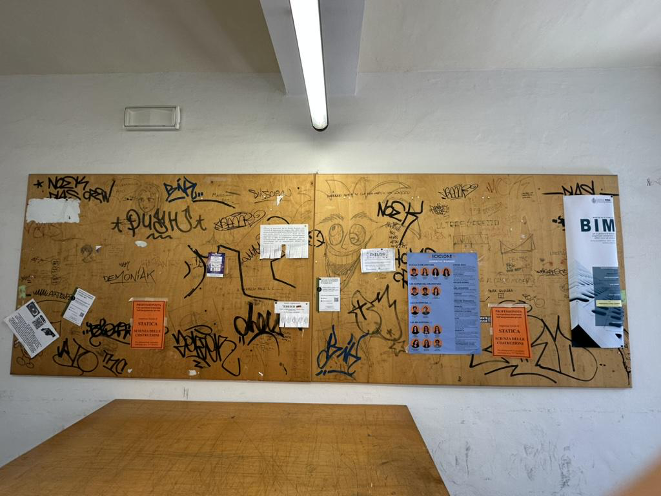
    Public Board上面画满了涂鸦画,老师的介绍单上有一位也难免于难,被涂了恶魔箭头和翅膀:),还有一些乱七八糟的文字和手绘痕迹。

    我注意到,弗洛伦萨的建筑普遍层数比较少,我的旅舍房间甚至是在地下室,酒店也只有3层,在课下我问了讲课的老师,老师解释说是因为弗洛伦萨偶有地震发生,以及由于建筑材料等种种原因,楼房不允许盖高,于是这种开阔天空的景象随处可见。

    我特别喜欢天空的颜色,那种纯粹的渐变色,在远方名为天空的画板上一层一层地晕染开来。会不会这些美丽的颜色也是成就弗洛伦萨艺术家斐然的原因之一呢?试想看,一个七八岁的孩子在乔托设计的钟塔悠扬的钟声中行醒来,在享誉声明的街道里奔跑,到米开朗琪罗广场远眺圣母百花大教堂的时候,不经意间天空美丽的颜色就染浸他的双眸,于是当他提起画笔和调色盘时,天空的颜色就通过指尖倾泻到画布上了。

    我在这体验到了这样的生活:每天早晨穿过达芬奇、米开朗琪罗住过的小巷,来到拉斐尔曾经作画的广场,午后买一份Gelato,醇香的开心果、酸甜柠檬口味混合奶香,沁人心脾;黄昏在老桥上听街头艺人拨弄琴弦,再在傍晚跨过阿诺河在米开朗琪罗广场和大家一起眺望夕阳,日落西山,一起鼓掌。

  • 《我的阿勒泰》

    外婆,你不要想我了,你忘记我吧!忘记这一生里发生的一切,忘记竹林,忘记小学六楼。吐一吐舌头,继续你绵绵无期的命运。外婆,“痛苦”这东西,天生就应该用来藏在心底,悲伤天生是要被努力克制的,受到的伤害与欺骗总得去原谅。满不在乎的人不是无情的人……你常常对我说:娟啊,其实你不结婚也是可以的,不生孩子也是可以的。你不要再受那些罪了。你妈妈不晓得这些,我晓得的……外婆,直到现在我才渐渐有些明白你的意思。虽然现在我还是一团混沌,无可言说,无从解脱。但能想象得到,若是自己也能活到九十六岁,仍然清清静静,了无牵挂,其实也是认认真真对生命负了一场责。最安静与最孤独的成长,也是能使人踏实,自信,强大,善良的。大不了,吐吐舌头而已。

    ​——《外婆》

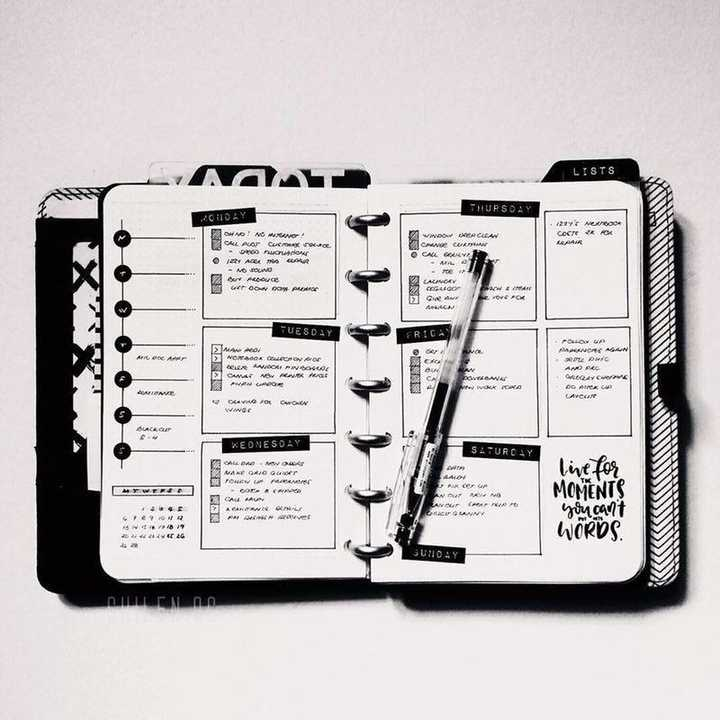
  • Bullet Journal🚄

    子弹笔记是什么?

    • 快速记录笔记✍️
    • 笔记方法🔧
    • 轻形式,重内容🪶

    如何使用?

    内容⚾️:

    Bullet: Content->

    用符号来区分记录的信息

    • task 要完成的事情🍞
    • [ ] event 记录发生的事情📓
    • -note 描述、想法、评论💡

    用左、右箭头迁移


    框架📒:

    • Index
    • Future log 🌊
      已知会发生;
      预期比较久;
    • Monthly log 🧑‍🏫
      schedule
      整理这个月要做的 事情 和 迁移过来的内容
      检查上个月的daily log和recurring issue、recording
    • Daily log 🏠
      计划和记录
      前一天完成tasks的情况
      规划今天的任务

  • 五角场的上海书城

      今天又来了五角场区的上海书城从一楼到负一楼的楼梯,延伸处设计了的座位,供休息读书。墙上摆的是假书,不过我发现楼梯下一个隐蔽的一层假书堆里,有一本叫《业绩才是硬道理》是真书,因为太新了,没人翻过的样子,给人感觉也是假书。故意放的还是不小心放的?不知道。

      休息朝向的一面挂了投影仪,放的是卓别林的默剧,周围的喧嚣处放默剧,很有意思。

      进门摆的就是折扣书,畅销书,折扣书卖的有“半小时”系列,作者画漫画讲历史,讲四大名著;有漫画。畅销书摆的是余华,史铁生,麦家,王小波,马伯庸,以及《默杀》,《玫瑰的故事》,成功学。路过的一对情侣看到《活着》,女士拿起来一本,男士叹了一口气,两个人默然,放下书走了。

      接着就是几个货架的眼镜框,写着眼镜打折,然后是新型的电子学习工具,平板电脑手表读写笔一应俱全,玻璃货架上一尘不染。

      左手边提供的座位零零星星坐人,以前我纳闷,现在倒是见怪不怪了———要买杯咖啡,买点吃食才有权坐,寸土寸金。合理吗?不好说。

      右手边是免费的座位,两列延伸的阶梯,最显眼的书架放的教辅资料。教辅资料区域里面放了一张书桌,只供一个人坐,一位家长看着小朋友很认真地在写着什么。人来人往的书店很嘈杂,这一片很安静,大家心照不宣地留出的一片安静。我希望小朋友早点写完,看看书或者出去跑跑跳跳做自己想做的事情。

      另一对家长带着孩子选书,爸爸说一人只能买一本,妈妈选了一本食谱,孩子选了一本漫画,爸爸拿着一本我在进门处看到的《长安的荔枝》,读另一本《巴菲特的成功之道》好久,合了书本犹豫再三最后还是拿了《长安的荔枝》。三个人都很开心。

    免费“座位”附近上放的是村上春树,东野圭吾,川端康成。东野圭吾的书自己占了一整个书柜!

    尽头的书柜下坐了很多年轻人,小朋友,看书的多,玩手机的少。

    一对情侣坐在我现在坐的圆形长椅的旁边,女士头枕着男士肩膀睡觉,男士聚精会神地读着《被定格的红与蓝》。这片刻的闲暇是多么珍贵,多么幸福啊!陌生人,祝福你们。

  • 我为什么要搭一个网站写博客

    作者

    读书并不能改变命运,读书只能增加知识储备量。

    最近我看了Craig回到伯克利作演讲的视频,他分享了自己在大学学习以及在Next到后面Apple工作的经历,以及给了一些“Questionable Advices“,我总结了他的这些建议:

    • Do what you love
    • Work with people whose work you admire
    • Pay attention
    • Never stop acting like the new one on the team
    • Team > Self(我想这条应该是当了高管后加上的)
    • Commit, Focus, Reassess
    • Follow your heart

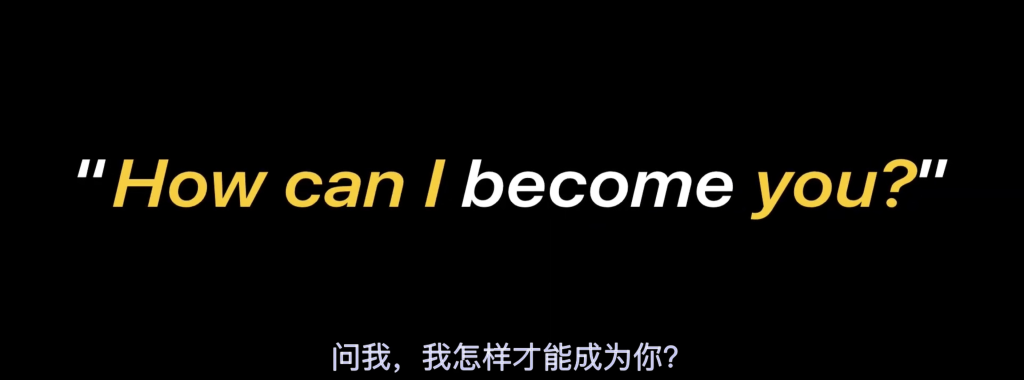
    其中第一条和最后一条点明了兴趣的重要性。分享过程中他讲到一个很有意思的例子:他说曾经碰到一个新入职的大学毕业生,问了他一个问题:

    他笑着向在座听讲的学生解释,他并不是想成为他,而是想向他寻求职业建议、观点和人生智慧。(Career advice & Insights & Wisdom)。

    写博客的想法已经产生很久很久了,我很想有一个自己的网站,但是一直没有时间去动手实践。为了图“方便”,我试着尝试使用个人社交媒体来兼任“写博客”的任务,一开始用QQ空间、朋友圈,微信公众号,到后面用小红书、微博等等。

    这些社交媒体很好用,编辑好内容到发送只需要几秒钟时间(公众号要审核一会儿),但是我在记录的过程中最令我纠结的问题是,我到底要写什么?什么内容是值得我写的?……我到底为什么要写?是为了给谁看?不知道。所以很多内容我发布后不久就私密或者删除了,因为一段时间后重新审视这些内容,我觉得没有记录和保存的必要,无端的作为标签代表着记录着我,像睡醒了发的牢骚。删了也行,留着也罢。当然,这样的碎片化记录方式也有好处,比如不用仔细思考反复揣摩写的文字更方便记录📝那个瞬间时的所思所想,方便后续查阅。

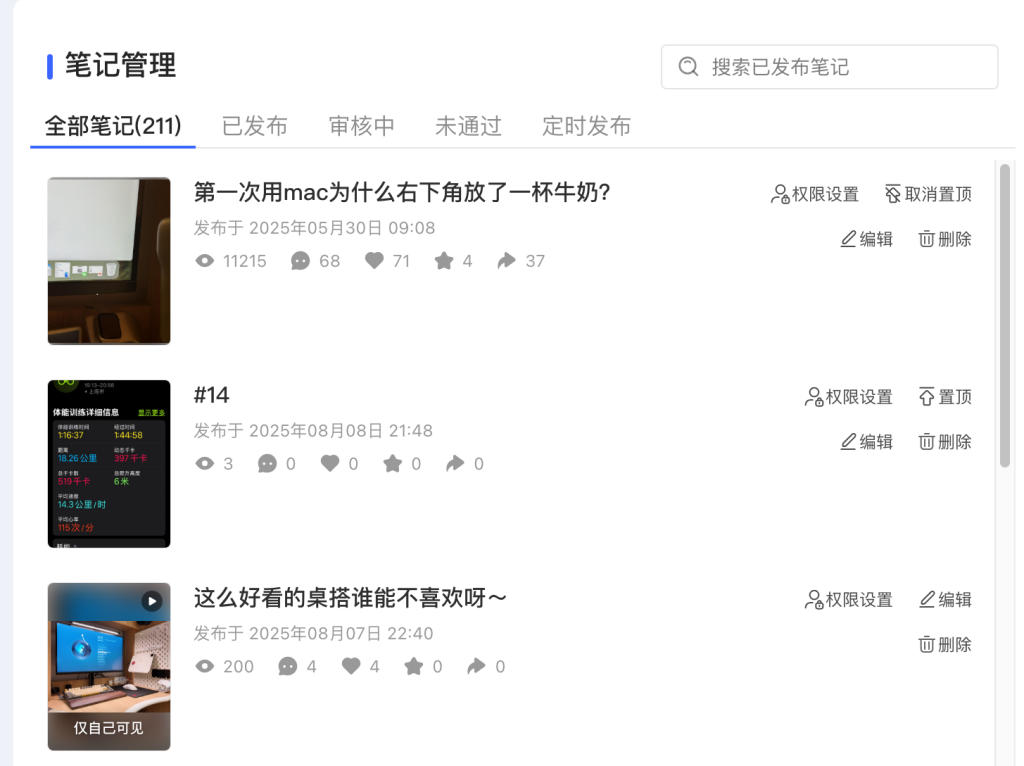
    以小红书为例,其实发了200多篇帖子,最后删删改改只剩几篇内容了:(

    这些问题的产生,我认为是一开始记录的时候就没有想好,很随意的就分享出来,这是对我所分享对象的不尊重,同时也是对我自己的不尊重。我想这是受当下社交媒体碎片化的影响,我的文字开始涣散,主旨开始模糊,观点不再鲜明,这不是我想要的,也违背了我记录的初心

    我重新反思了自己在社交媒体平台上写东西的目的:

    • 清晰地输出知识、表达观点(复现和输出)
    • 找一些话题,可以和朋友讨论(社交)
    • 方便后续查阅(记录、检索)

    所以我希望在日常使用这些社交媒体平台之外,有一片净土,这里没有具体的阅读对象,或者说阅读对象只有我一个,纯粹地记录和分享。目前看来,自己的博客网站最适合实现这些目的,不过需要一些费用,我算了一下,每个月也只一杯奶茶钱,正好下次想喝🥤的时候就可以用“少喝一杯奶茶,这个网站就能多活一个月”这个理由来督促自己。

    除此之外,我对下一学年长时间的课程空白作的规划中正好也包括多学一些课外知识,写博客也可以作为一个技能。同时也可以把我的零碎的、不连续的记录像整理活页本一样,分类好打包好放在这个网站。

    最近课程实习结束,我在学校又多待了一段时间。看到Craig的讲演后我下定决心把这个网站搭起来,结果只用了一个下午就完成了。首先我是觉得比较好玩,从第一次接触互联网就是靠一个个网址去访问来获取信息的,但是从来没有尝试过去自己搭建,当然这里的搭建也是用WordPress这样的软件来辅助进行,我也没有去系统的学习html语法,算是偷了懒。不过我认为,内容比工具重要。应该先做成,再做好。

    同时我尽全力保证所有文字都是自己一个个敲出来的,每次被公众号标题封面骗进去读AI写的东西就像吃到桃子馅的饺子一样难受。

    阅读更多:我为什么要搭一个网站写博客